
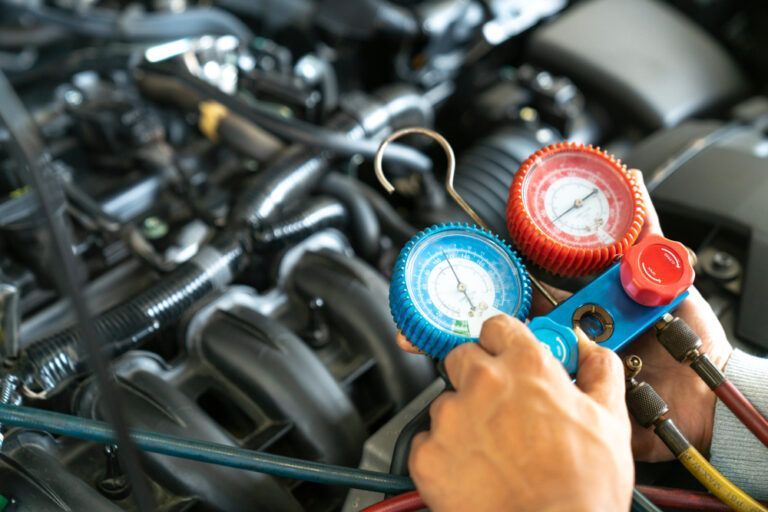
If you’re a beginner in the world of electrical diagnostics, the thought of troubleshooting electrical systems may seem intimidating. However, with some basic knowledge and a little bit of practice, you can quickly gain confidence in diagnosing electrical issues. In this comprehensive guide, we’ll cover the essential concepts of electrical diagnostics, including common electrical problems and how to diagnose them. 1 Understanding Electrical Circuits Before you can begin diagnosing electrical problems, it’s essential to understand the basics of electrical circuits. An electrical circuit consists of four main components: a power source, a load, a switch, and conductors. The power source is the origin of the electrical current, such as a battery or alternator. The load is what the electrical current powers, such as a light bulb or motor. The switch controls the flow of the electrical current, and the conductors are the wires that connect everything. 2 Common Electrical Problems The most common electrical problems include: Dead Battery: A dead battery occurs when the battery can no longer hold a charge, resulting in the inability to start the engine or operate electrical systems. Loose or Corroded Battery Connections: Loose or corroded battery connections can lead to intermittent or no electrical power to the vehicle. Blown Fuses: A blown fuse occurs when the electrical circuit draws too much power, causing the fuse to burn out and interrupting the electrical circuit. Bad Alternator: A bad alternator can cause the battery to drain and prevent the electrical system from functioning correctly. Broken or Damaged Wires: Broken or damaged wires can cause electrical circuits to fail or malfunction, leading to intermittent or no power to the vehicle. 3 Diagnosing Electrical Problems To diagnose electrical problems, you’ll need some basic tools, including a multimeter, a test light, and a wiring diagram for your vehicle. The first step is to identify the electrical problem by testing the battery, alternator, and fuses. Once you’ve identified the problem, you can then use the wiring diagram to trace the electrical circuit and identify any broken or damaged wires. 4 Call in a Professional While some electrical problems are simple to diagnose and fix, others may require the expertise of a professional. If you’re unsure about diagnosing electrical problems, it’s always best to call in a professional to avoid causing further damage. In conclusion, understanding the basics of electrical diagnostics is essential for any beginner in the world of auto repair. By familiarizing yourself with the components of an electrical circuit and common electrical problems, you’ll be well on your way to diagnosing and fixing electrical issues in your vehicle. If you have more questions about electrical diagnostics or need assistance with diagnosing electrical problems, give us a call today at Chester River. Our team of professionals is here to help you keep your vehicle running smoothly.
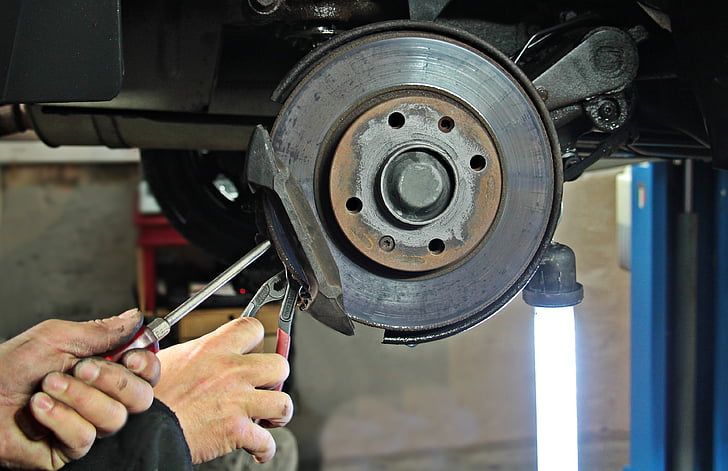
Auto Repair! A wheel bearing is a critical component of your car’s suspension system. It is responsible for supporting the weight of your vehicle and allowing the wheels to rotate smoothly. However, like all car parts, wheel bearings will eventually wear out and need to be replaced. Knowing the cost of replacing a wheel bearing is important to budget for any future repairs. The cost of replacing a wheel bearing can vary depending on the make and model of your vehicle, as well as the type of bearing you choose. A basic wheel bearing replacement can cost anywhere from $100 to $300 per bearing, while a premium bearing can cost up to $500 or more. Additionally, the labor cost for installing a wheel bearing can range from $100 to $300, depending on the type of car and the complexity of the job. If you are experiencing symptoms of a failing wheel bearing, such as a loud humming or grinding noise while driving, it is important to have it inspected and replaced as soon as possible. Delaying repairs can result in further damage to the bearing, the wheel, and other components, increasing the overall cost of the repair. When choosing a wheel bearing, it is important to consider the type of driving you do and the conditions in which you drive. A premium bearing may offer a longer lifespan and better performance, but it may not be necessary if you drive only short distances in good weather. On the other hand, if you drive frequently in inclement weather or over rough roads, a premium bearing may be worth the extra investment. In conclusion, the cost of replacing a wheel bearing can range from a few hundred dollars to over a thousand dollars, depending on the make and model of your vehicle, the type of bearing you choose, and the labor cost for installation. It is important to budget for this repair and have any symptoms of a failing wheel bearing inspected as soon as possible to avoid further damage and increased repair costs. If you have more questions about the cost of replacing a wheel bearing, or if you need to schedule a repair, give us a call today at Chester River Auto Repair!
Woman driving a car. Free public domain CC0 photo. Winter wreaks havoc your vehicle. From temperature drops that affect tire pressure to ice and salt, which can damage a vehicle’s exterior, winter weather causes a lot of wear and tear on cars. That’s why it’s so important to winterize your vehicle. Preparing your car for winter ensures, first and foremost, safety. After winterizing your vehicle, you can improve stability, visibility, and stopping power. Also, a few winter prep steps can help improve comfort and performance through the cold days of winter. Thinking about getting your car ready for winter? With the snow right around the corner, now is the perfect time to follow these ten tips for winterizing your vehicle. Check Tire Tread Worn tires are one of the leading causes of winter automobile accidents. Old, worn-down tires increase stopping time and reduce stability, which is especially true in icy conditions. Start by examining the tread depth. Service Your Battery Winter weather is your car battery’s worst enemy. In the dead of winter, cold air can drastically reduce the battery’s ability to generate power. That’s why hard starts are more common in cold weather. When the temperature is below freezing, the energy in a fully charged battery drops by half. Similarly, you’ll likely be running the heater and defroster, which puts more strain on the battery. Clean Battery Terminals Corrosion on the battery terminals causes a lot of problems in the winter. Starting problems, for example, can be caused by this issue. Plus, significant corrosion can impede the charging system’s ability to recharge the battery fully. Check Your Brakes On icy roads, you rely on your brakes to stop. That’s why this is a critical car winterizing step. Inspect the brake pads and rotors; they should be changed if you notice wear. One telltale sign of worn-down brakes is brake noise; if you notice wheezing, grinding sounds, or chirping, it’s best to have your brakes checked. Winterize Your Fluids The cold weather affects all your car’s fluids, from the motor oil to the wiper fluid. A winter car tune-up should include: Oil Change – Motor oil thickens in cold weather, which can cause several wear-and-tear and performance issues. Adding new winter-blend oil will ensure it’s the right viscosity for winter. Anti-Freeze Check – Anti-freeze is a mixture of water and anti-freeze fluid, usually in a roughly 50:50 ratio. If there’s too much water in the mixture, you can run into issues with freezing. Wiper Fluid Replacement – Replace your wiper fluid with a blend that contains anti-freeze. A -20-degree wiper fluid is best. Brake Fluid – Check brake fluid levels and top off if necessary. Replace Your Wiper Blades Examine your blades for wear and tear. If you notice cracking, or if your blades leave streaks in the rain, it’s time to replace them. Heating and Cooling Check-Up You rely on the heater and defroster in winter. That’s why you must make sure the system is ready for the colder weather. Take your vehicle in for a heating system tune-up. Lubricate Exterior Components In cold weather, freezing water can seep into locks, door jambs, and window tracks, creating minor annoyances like slow-moving windows. Over time though, these problems can stress window regulator cables, weather stripping, and locks, resulting in costly repairs. Before winter, lubricate and protect these components using a dry lube or silicone spray. Prep the Paint Winter weather dulls the paint’s shine and can eat into the clear coat. Road salt exacerbates the problem, leaving your car’s exterior susceptible to oxidation and rust. These are just a few of the ways that you can prepare your vehicle for winter. If you have more questions, give us a call at Chester River .